

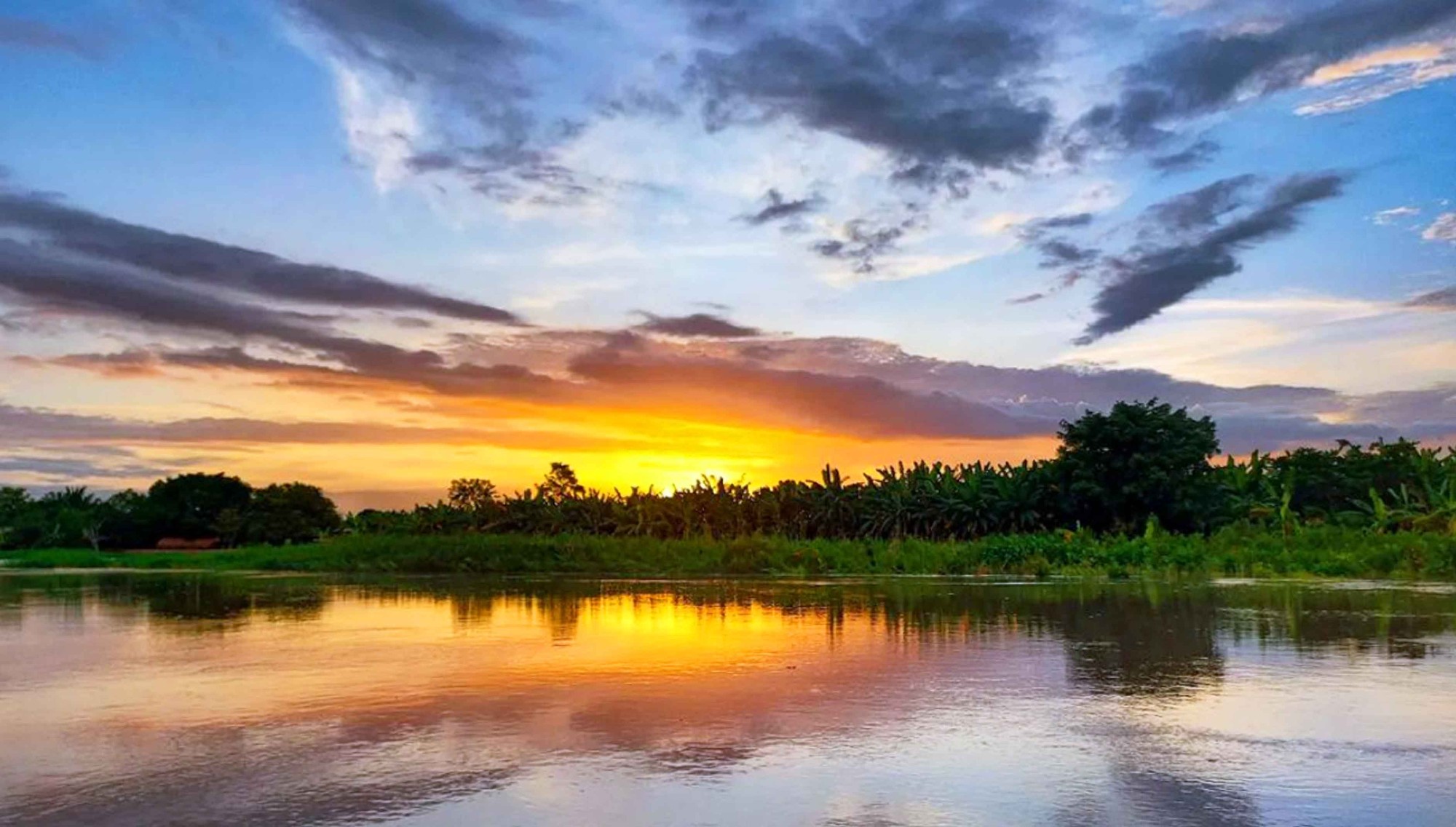


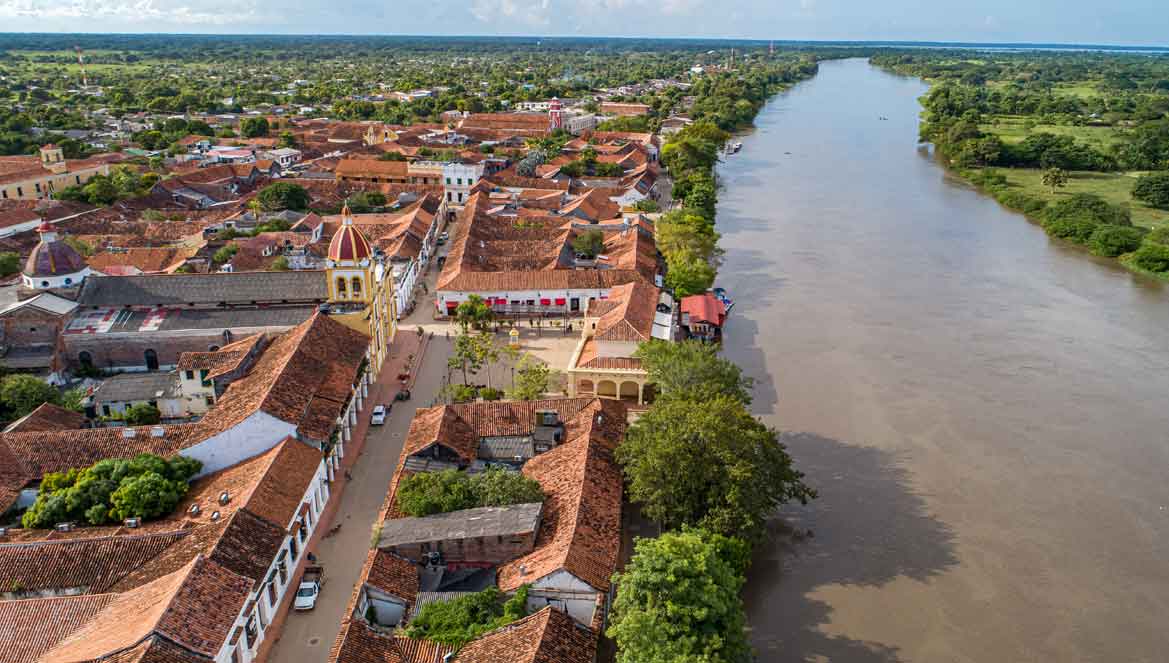
Tucked away on an island in the lower basin of the Magdalena River, Mompox (or Santa Cruz de Mompox) is one of Colombia’s best-preserved colonial towns. Located in the Bolívar departmen, about 6 hours from Cartagena, this riverside gem feels like a world apart, protected by winding waterways and lush wetlands that have kept its traditions beautifully intact for centuries.
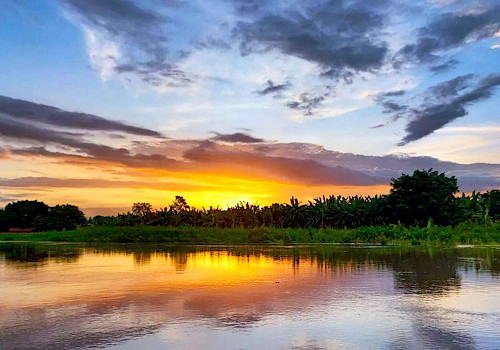
Its location is no coincidence. For over 400 years, the Magdalena River was the country’s main artery, moving people, gold, stories, and entire cultures between the Caribbean coast and the Andean interior. Mompox became a vital trading port, a safe deposit for Spain’s gold, and a refuge for merchants, families, and revolutionaries. The river shaped its prosperity, its architecture, and even its slow, reflective way of life. To walk through Mompox today is to step into a living chapter of Colombian history: one the river still whispers through its calm, golden reflections.
Gabriel García Márquez once said that towns like Mompox are places “where time doesn’t pass,” and when you wander its quiet streets at sunset through Mompox tours, you instantly understand why.
What Makes Mompox So Special? A Town Where History Sleeps but Never Dies
Mompox (officially Santa Cruz de Mompox) is one of those rare places where the past feels alive in every corner. Founded in 1540 on an island formed by the braided channels of the Magdalena River, it grew into a prosperous colonial town thanks to its strategic position as a river port between the Caribbean Sea and the Andean interior. For centuries, the Magdalena River was Colombia’s main highway. Everything: people, gold, food, stories, moved along this river, and Mompox became the perfect place for merchants to rest, trade, and protect their treasures. The town even served as a safe vault for Spanish gold, stored in its churches and mansions, giving rise to the phrase: “Quien se queda en Mompox no se quiere ir.” (Whoever stays in Mompox never wants to leave.)
By the 18th and 19th centuries, Mompox was known for its wealthy families, skilled goldsmiths, and vibrant cultural life. It played an important role in Colombia’s independence, Simón Bolívar himself stayed here and recruited troops from the town. But then the river changed. As the Magdalena’s course shifted and navigation routes moved elsewhere, Mompox slowly drifted into isolation. That isolation became a blessing: it preserved the colonial architecture almost untouched. Walking through Mompox today feels like stepping into a perfectly preserved 18th-century town.
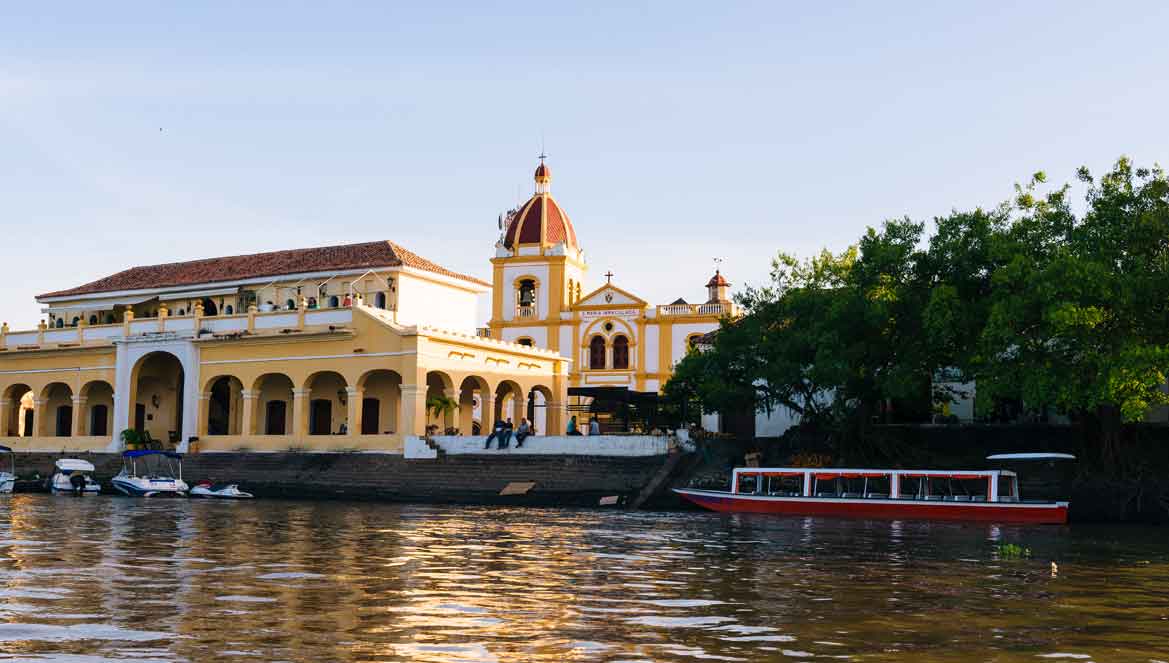
A Colonial Town Frozen in Time
One of the most striking things about Mompox is how authentic it still feels:
- Elegant churches with wooden altars and baroque details
- Bright white façades lined up along cobblestone streets
- Riverside colonial houses with long balconies facing the Magdalena
- Quiet plazas filled with old ceiba trees and soft river breezes
- The architecture reflects the wealth of its past: huge courtyards, thick walls, ornate ironwork, and spacious churches that seem far too grand for such a quiet town. The silence, heat, and slow rhythm give everything an almost dreamlike atmosphere.
- Gabriel García Márquez: Colombia’s Nobel Prize winning writer, drew inspiration from towns like Mompox to shape the world of Macondo, a place where time bends, memories linger, and magical realism feels completely natural.
You can experience all of this through itineraries such as our Magical Caribbean Coast: Cartagena, Tayrona & Mompox Tour or Secrets of Caribbean Coast Tour.
A Place of Living Traditions
Even beyond its architecture, Mompox is a town defined by tradition:
- Filigree (Filigrana Momposina), Its delicate jewelry-making technique is world-famous. Many local families have been doing this for generations, using methods that haven't changed in 300 years.
- Holy Week in Mompox: One of the most beautiful religious celebrations in Colombia, known for its candlelit processions and centuries-old customs.
- River Culture Life still revolves around the Magdalena: fishing, evening walks along the promenade, boatmen singing as they move slowly through the water.
- Gastronomy in Mompox is a delicious blend of Caribbean, river, and colonial influences. You can taste dishes like queso de capas, bocachico or mojarra freshly caught from the Magdalena River, and arroz de camarones (shrimp rice), along with traditional sweets lovingly prepared by local women using recipes passed down for generations. Every meal reflects the region’s heritage, its river culture, and the warmth of its people.
Why Mompox Feels Like Nowhere Else in Colombia
Travelers often say that visiting Mompox feels like discovering a secret. It’s quieter, more intimate, and more culturally preserved than other colonial towns like Cartagena or Villa de Leyva. Because it’s harder to reach, everything feels more authentic, nothing overly polished, nothing recreated for tourists.
Instead, you get real local life, real artisans, real traditions, real river culture, and sunsets over the Magdalena River that look like paintings.
Top Things to Do in Mompox, Colombia
1. Explore One of Colombia’s Most Beautiful Colonial Towns
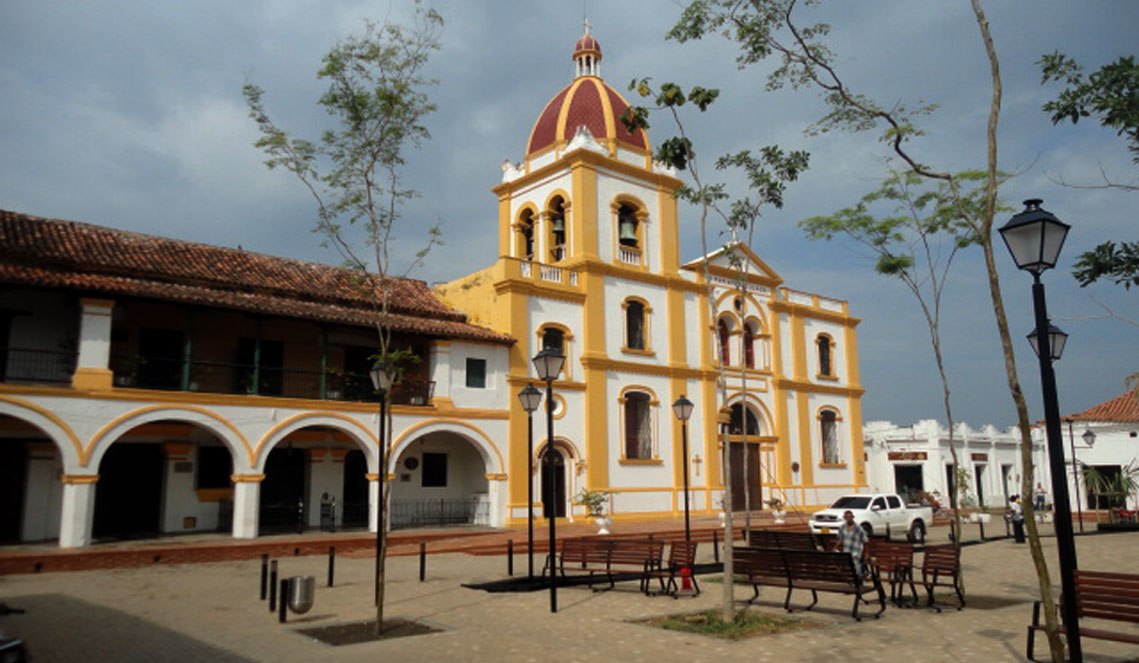
Mompox’s historic center is a dream for architecture and culture lovers who are looking for a tour. Its whitewashed façades, ornate churches, wooden balconies, and riverside promenades earned it UNESCO World Heritage status. Don’t miss: Santa Bárbara Church and its iconic octagonal tower, The riverside Alameda promenade, Goldsmith workshops, Perfectly preserved mansions and plazas. It’s one of Colombia’s most photogenic colonial towns.
2. Learn Filigree Jewelry with Local Artisans
Mompox is famous worldwide for its filigree jewelry, a delicate technique introduced by the Spanish and perfected by local families for generations. During this hands-on workshop, you will: Step inside a traditional artisan’s workspace, Llearn to twist fine silver or gold threads, create your own unique filigree piece; and, hear the stories behind this centuries-old craft. This is not just jewelry-making, it’s an intimate cultural encounter.
3. Cook Like a Local & Cruise the Magdalena River at Sunset
Begin your cultural immersion with a local cooking experience: Prepare traditional Momposino dishes, learn Caribbean-influenced recipes; and, share stories and flavors with a local chef. Then, take a serene sunset cruise on the Magdalena River, the same river that shaped Colombia’s history and inspired the world of García Márquez. As the sun turns the water gold and the riverbanks quiet down, you’ll see why this place feels like magical realism brought to life.
4. Join the Zenú Indigenous Community for a “Sombrero Vueltiao” Workshop
Near Mompox, you can immerse yourself in Zenú culture with a weaving workshop dedicated to Colombia’s iconic Sombrero Vueltiao, a UNESCO-recognized symbol of national heritage.
You’ll learn: How caña flecha fibers are prepared, the meanings behind each black-and-white pattern; and, techniques passed down for more than 2,000 years. This is an unforgettable way to connect with one of Colombia’s most important indigenous traditions.
5. Discover Pristine Beaches
After exploring history and culture, unwind on the tranquil, untouched beaches near Punta Bolívar in San Antero. you can enjoy private white-sand private beaches, turquoise, calm Caribbean waters, beach bars and local seafood, water activities like kayaking, mangrove tours, and paddle experiences. It’s the perfect complement to Mompox’s cultural richness.
Why Mompox Should Be Your Next Travel Destination
Mompox is ideal for: Culture & history lovers, travelers seeking authentic, non-touristy experiences, fans of Gabriel García Márquez, architecture and photography enthusiasts, foodies and craft lovers, due to its blend of colonial charm, artisan traditions, indigenous heritage, and nearby Caribbean beauty makes it one of the most unique places to visit in Colombia.
Ready to Discover Mompox?
Let Uncover Colombia bring you into the heart of this magical town and its surrounding culture. Customize your Mompox itinerary or book your tour here.
Share with your traveller friends!

ABOUT THE AUTHOR
Paola Rodriguez
Paola is passionate about travelling to explore new places and cultures. Her love for learning other languages led her to pursue an MBA in Taiwan, where she seized every opportunity to explore Asia, visiting countries like Japan, Vietnam, Thailand, and Korea. After finishing her studies, Paola returned to Colombia and joined the Uncover Colombian team to continue working in Tourism and promoting her country.


RELATED TOURS
Private Expedition
Magical Caribbean Colombia Tour: Tayrona, Mompox & Cartagena
from
12 Days
Discover Tayrona's park, visit Gabriel García Márquez's birthplace, share with Indigenous communities, and explore Mompox, Cartagena and pristine islands
MORE DETAILS
Private Expedition
Secrets of Colombia Caribbean Region
from
12 Days
Discover Tayrona's beaches, visit Gabriel García Márquez's birthplace, explore Mompox and Cartagena
MORE DETAILS