

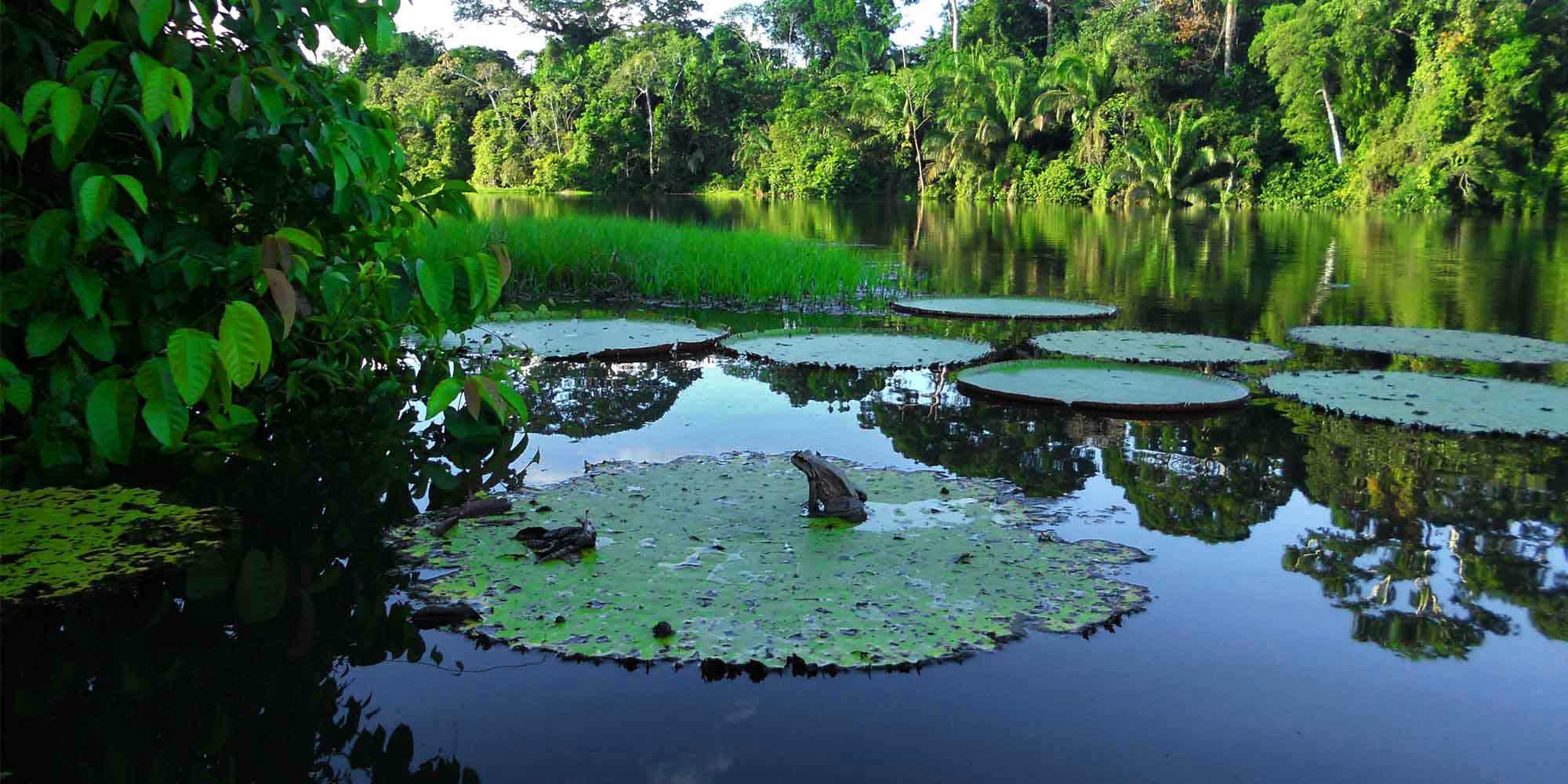


The Amazon had always been on my list of places to explore in Colombia. Yet, even after living and travelling around the country for a year and a half, this enormous region in the south remained something of a mystery to me. I knew about its incredible rainforest, winding rivers and extraordinary wildlife, but I had never experienced it firsthand.
That changed when I boarded a small plane bound for Leticia, the starting point of a four-day journey through the Amazon region. Over the following days, I would travel along the Amazon River, hike through the rainforest, spend a night in a remote natural reserve in Peru, visit an Indigenous community in Colombia, search for pink river dolphins and discover the small riverside town of Puerto Nariño.
It was an experience full of unexpected encounters, fascinating stories and moments that reminded me just how different life can be in this part of South America.
Here is how those four days unfolded.
Day 1 – Arriving in Leticia: The Beginning of an Amazon Adventure
First Impressions of Leticia
My journey began when my small plane landed in Leticia, in Colombia's southernmost region. The airport was modest and uncomplicated, a fitting introduction to a destination that felt a world away from the busy cities I had become accustomed to.
Outside the airport, David, my guide for the journey, was waiting to welcome me. After introducing ourselves, we headed towards my hotel along a rural road. As we drove, green pastures and tall trees passed by the window, while children played outside colourful houses and small local shops. The scenery was a striking contrast to Bogotá, where I had spent much of my time in Colombia.
After dropping off my luggage, I headed into the centre of Leticia to explore the town. Leticia is relatively small and simple, with fruit markets, bakeries, hostels and restaurants lining its streets. One thing that immediately caught my attention was the variety of food on offer. Colombian, Brazilian and Peruvian restaurants sit alongside one another, reflecting the town's unique location near the borders of three countries.
Instead of the yellow taxis I was used to seeing elsewhere in Colombia, tuk-tuks were a common way of getting around. These three-wheeled vehicles, with space for the driver and two passengers, added to the distinctive atmosphere of the town.
Although Leticia might not be the main attraction for most visitors travelling to the Amazon, it is an interesting place to experience before heading deeper into the region.
Discovering Parque Santander and Its Spectacular Birdlife
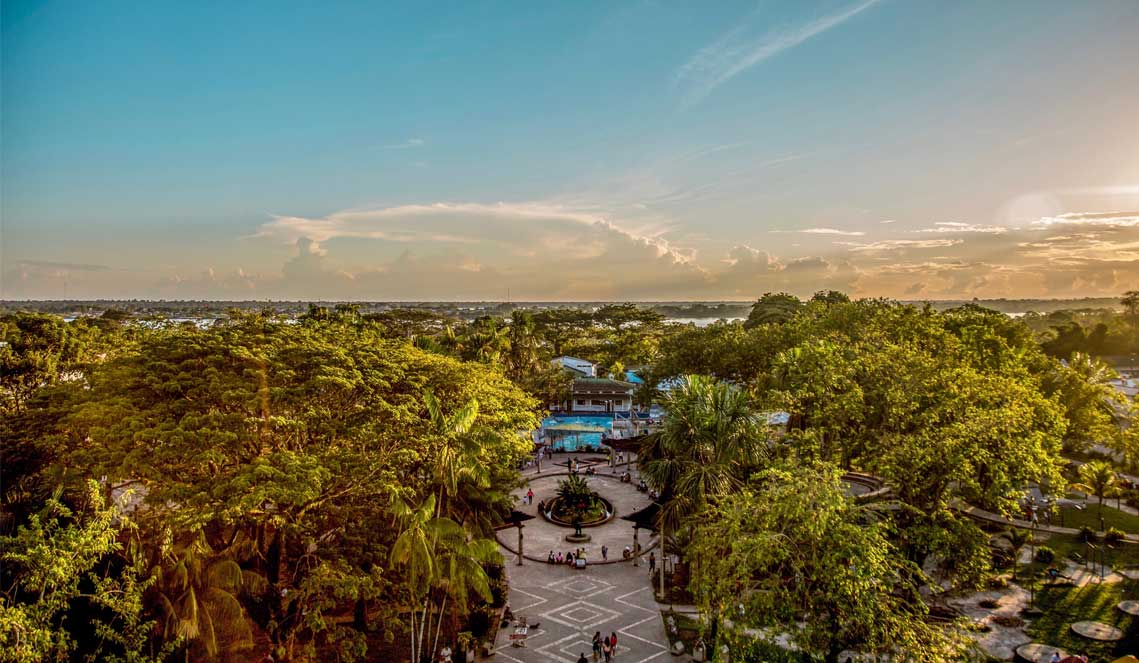
David particularly recommended one place to visit before sunset: Parque Santander. I arrived shortly before 5:30 p.m. and initially wondered what all the excitement was about. Only a few birds were flying between the trees, and the park seemed fairly ordinary. Then, gradually, everything changed. As the afternoon progressed, thousands of birds began flying towards the trees where they gather for the night. The sky filled with movement, wings and an extraordinary chorus of chirping. What had initially seemed like a quiet park suddenly became one of the most memorable sights of my visit to Leticia. The noise was almost overwhelming, resembling the sound of a waterfall rather than a gathering of birds. I was glad I had stayed instead of leaving too early.
A Night in Leticia Before Heading into the Rainforest
After the spectacle at Parque Santander, I returned to my hotel for dinner and an early night. As night fell, the sounds of cicadas filled the air. It was a peaceful end to the first day, although I knew the real adventure was only beginning.
The following morning, I would leave Leticia behind and travel along the Amazon River towards the rainforest.
Day 2 – Travelling Along the Amazon River to Marasha Natural Reserve
A Boat Journey Through the Amazon
I woke to birds singing outside my room and enjoyed a simple breakfast of scrambled eggs, fresh fruit, bread, Colombian coffee and juice. David picked me up and we headed towards the small port in Leticia, located along one of the waterways connected to the Amazon River.
The port was already busy with locals and visitors preparing for their journeys. Colourful houseboats floated on the water, while houses built on stilts stood nearby. David explained how much the landscape changes with the seasons, as rising river levels can bring water close to, or even into, some of the houses.
After waiting on the wooden dock, we boarded a ferry carrying around 50 passengers. Luggage was secured on the roof and in the available spaces before we set off. The water was quite choppy that day, and occasional waves splashed into the boat as we travelled north along the Amazon River.
One of the most fascinating aspects of this journey was the international border running through the river. As we travelled, Colombia was visible on one side and Peru on the other. It was remarkable to think that a single boat journey could take us between two countries while remaining in the heart of the Amazon region.
After approximately 40 minutes, we reached the entrance to Marasha Natural Reserve, located on the Peruvian side of the river. A local guide was waiting to welcome us as we stepped off the boat and approached the rainforest.
Hiking Through the Amazon Rainforest
Our first activity was a hike through the jungle, lasting approximately an hour and a half. We were provided with rubber boots before setting off, something that quickly proved useful. The rainforest trails can become muddy and slippery, particularly after heavy rain.
Our local guide made frequent stops along the way to explain the surrounding environment. He shared stories about the origins and traditions of communities in the region, pointed out different bird species and explained the traditional medicinal uses of various plants. It was fascinating to discover how much knowledge is connected to the forest and how plants have played an important role in local ways of life.
The hike itself was not particularly difficult, although carrying a heavy backpack certainly made it less comfortable than it needed to be. Looking back, travelling with lighter luggage would have been a much better idea.
Staying at Marasha Natural Reserve
After the hike, we arrived at the accommodation area of Marasha Natural Reserve. The buildings were connected by wooden walkways, with a shared dining area overlooking a tributary of the Amazon River. The rooms were simple but comfortable, featuring screened windows, mosquito nets and basic private bathrooms.
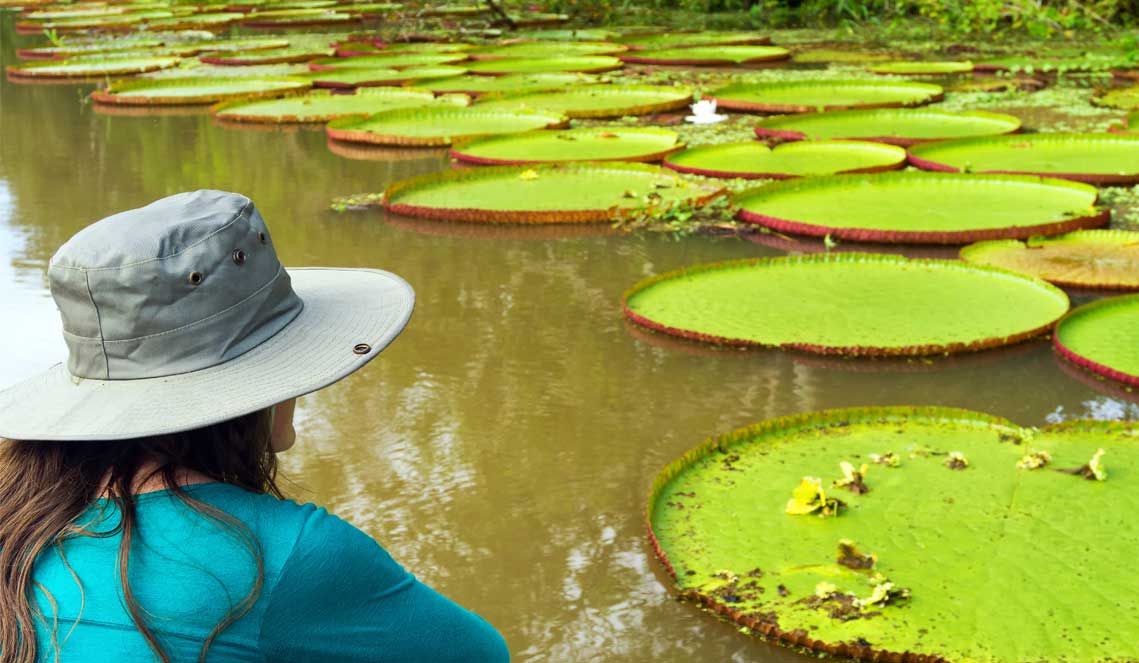
The roofs were made from dried palm fronds, and the whole setting felt wonderfully remote. It was quite different from staying in a conventional hotel, but that was precisely what made the experience special. After settling into my room, David and the local guide invited me to explore the surrounding waterways by canoe. We spent approximately an hour paddling through the calm waters, passing enormous aquatic plants and observing different bird species. At one point, we spotted a family of capybaras nibbling on vegetation along the riverbank. Capybaras are the world's largest rodents, and seeing them in their natural environment was a particularly memorable moment.
We returned to the reserve for lunch, which included Peruvian lomo saltado, rice, salad, fried plantains and fish fritters.
In the afternoon, we explored another trail through the rainforest, where the guides showed us an enormous tree and shared more information about the local flora, fauna and Indigenous cultures. Later, we returned to the water for a traditional fishing experience using a simple bamboo rod, fishing line and hook. I wasn't particularly successful, but our local guide managed to catch a small piranha!
Searching for the Black Caiman After Dark
After dinner, the day still had one more surprise in store. At around 9 p.m., we headed back out onto the water in search of black caimans.
The experience was completely different from exploring the rainforest during the day. The sky was filled with stars, and the canoe moved quietly through the dark waterways as our guides searched along the riverbanks.
After around 20 minutes, another guide spotted a caiman and carefully brought it into the boat so we could see it more closely. He explained the differences between caimans, alligators and crocodiles, as well as their diet, behaviour and mating habits. I found the encounter fascinating, although I politely declined the opportunity to hold the animal. The thought of accidentally dropping it into the canoe and causing everyone to panic was more than enough to convince me to admire it from a safe distance!
By the time we returned to our accommodation, I was exhausted. Sleeping beneath a mosquito net in the middle of the rainforest was a fitting end to an extraordinary day.
Day 3 – Discovering Mocagua and Continuing to Puerto Nariño
The third morning began with breakfast in the communal dining area at Marasha Natural Reserve. After eggs, bread, arepas and fresh fruit, I packed my belongings and loaded them into a motorised canoe.
David and a few other visitors joined me as we travelled through the narrow waterways connecting the reserve to the wider Amazon River. The scenery was quite different from the previous day's journey. Instead of travelling along the broad river, we were now navigating smaller, winding tributaries surrounded by dense vegetation. Along the way, we spotted monkeys, different bird species and an abundance of plant life.
Eventually, we reached the Colombian side of the river and our next destination: Mocagua.
Visiting the Mocagua Indigenous Community
Mocagua is an Indigenous community located along the Amazon River in Colombia. We were welcomed into the community and invited to have lunch in a pavilion near the home of the community leader. A few local women had prepared the meal, and it was a lovely opportunity to experience the hospitality of the people living in this part of the Amazon.
During lunch, I learned more about the different Indigenous peoples who live in the area and some of the historical challenges their communities have faced, including their relationships with the Colombian government and outside missionaries. Afterwards, a local guide and artist took us around the community.
One of the most interesting aspects of the visit was seeing the murals he had painted on different houses. Each artwork had its own meaning, and he explained the stories and ideas behind his creations. We also learned about everyday life in Mocagua, including how public boats help transport children to school and how fishing plays an important role in the local economy.
It was an experience that offered a different perspective on the Amazon. Beyond the rainforest and wildlife, this is also a place where people have built communities, maintained traditions and developed ways of life closely connected to the river.
Searching for Pink River Dolphins
After leaving Mocagua, we continued north along the Amazon River. Our next objective was to look for pink river dolphins, one of the most fascinating animals associated with the Amazon.
We travelled in a wide canoe, keeping an eye on the water in the hope of spotting one of these elusive creatures. Unfortunately, the dolphins weren't particularly cooperative that day. We only spotted the dorsal fins of other dolphins at a distance, but nothing close enough to properly identify or observe the famous pink river dolphins.
While we searched, David shared some local legends about these animals. According to stories told in parts of the Amazon, pink dolphins can transform into humans and are sometimes associated with mysterious encounters along the river. I found the stories fascinating, even if I wasn't entirely convinced, I wanted to test any of them myself! Although we didn't get the close encounter we had hoped for, travelling along the river and listening to these stories was an experience in itself.
Arriving in Puerto Nariño
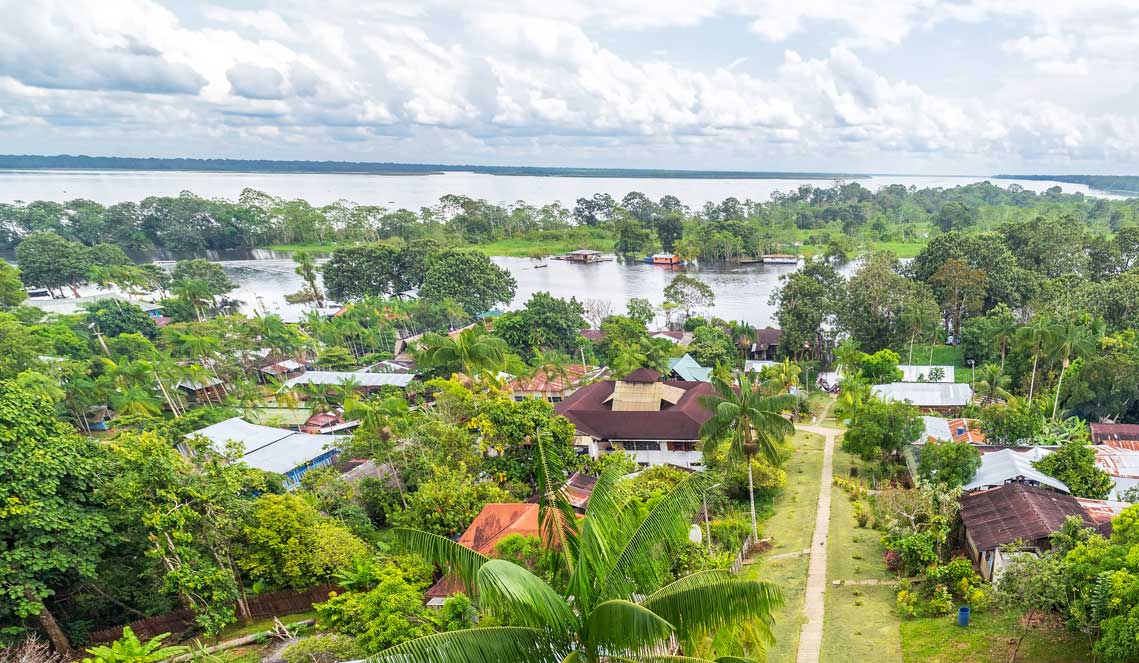
Later in the afternoon, we arrived in Puerto Nariño, a small town situated along the Amazon River. After spending time in the more remote Mocagua community, Puerto Nariño felt like a different world, although it remained much quieter and more relaxed than Leticia.
One of the first things I noticed was the absence of conventional roads. Instead, a network of pedestrian paths connected houses, restaurants, small shops and public spaces.
The town centre had a modest square, a municipal building, bakeries and a football pitch. A few small businesses overlooked the square, and there was even a computer lab with internet access.
Puerto Nariño has a strong Indigenous cultural identity and is known for its community-oriented approach to life and environmental conservation.
I checked into my hotel, which was rustic but comfortable. The room even had a small observatory overlooking the treetops, with glimpses of the Amazon River in the distance.
It happened to be the day before Colombia's Independence Day, and a festive atmosphere was already building around the town. Music drifted through the open windows of my room, and I spent the evening enjoying the sounds of village life.
It was a lovely way to spend my final night in the Amazon.
Day 4 – Returning to Leticia and Crossing into Brazil
Leaving Puerto Nariño
After breakfast, David and I headed towards the town's small dock, where other visitors and local residents were waiting for the ferry. We boarded the boat and began travelling south along the Amazon River towards Leticia. The journey took approximately an hour and a half. The river was incredibly wide in this section, and at times it felt as though we were travelling across an ocean rather than along a river. Once again, we could see the territories of Colombia and Peru on opposite sides of the water. Eventually, we arrived back at the port in Leticia, where the journey had begun four days earlier.
After leaving the dock, we walked through a busy local market filled with colourful vegetables, fruit and all kinds of everyday products. We stopped at a small kiosk for a snack of traditional Colombian food, including arepas, empanadas and fresh fruit juice.
Discovering Mundo Amazónico
Although I could have spent more time exploring Leticia, David and I had another destination to visit: Mundo Amazónico Ecological Park. Located approximately 20 minutes by car from Leticia's port, the park combines elements of a botanical garden, cultural centre and nature education space.
We spent around three hours exploring the grounds with a local guide, who introduced us to different aspects of Amazonian culture and biodiversity. We learned about traditional uses of Amazonian plants, local customs and the animals that inhabit the region's waterways and forests. One of my favourite activities was learning how to shoot a bow and arrow. It was a fun way to experience something different and gain a little insight into traditional skills.
The park also offered the possibility of enjoying a traditional Colombian lunch, although we decided to save our appetites for the next stop on our itinerary.
Crossing the Border into Brazil: Visiting Tabatinga
One of the unusual things about visiting Leticia is how close it is to Brazil. The neighbouring Brazilian town of Tabatinga is just across the border, and travelling between the two towns is relatively straightforward.
We crossed by car, and the border itself was surprisingly understated. A couple of traffic cones, uniformed officers and a small sign marked the transition between the two countries. Yet, despite the lack of a dramatic border crossing, the atmosphere changed almost immediately.
Street signs and advertisements were now in Portuguese, Brazilian restaurants appeared along the roads and music coming from passing cars reflected a different cultural influence. Tabatinga might not be the most picturesque town, but I found the experience of crossing into another country so easily quite fascinating.
After spending several days travelling through the Amazon, it was remarkable to see how the region connects different countries and cultures through the river and its communities. We stopped for lunch at a Brazilian restaurant, enjoyed some local food and explored a few nearby shops before returning to Leticia.
It was a relaxed and enjoyable end to the journey, and I was particularly pleased to have experienced three different countries during the same Amazon adventure. Soon afterwards, it was time to head back towards the airport for my flight to Bogotá.
What Made This Four-Day Amazon Journey So Memorable?
Looking back, what made this journey special was not just the rainforest or the wildlife. It was the combination of experiences and the different perspectives we encountered along the way.
From watching thousands of birds gather in Parque Santander to travelling by boat along the Amazon River, hiking through the rainforest and spending a night in a remote natural reserve, every day offered something different.
Visiting Mocagua was particularly memorable because it gave me the opportunity to learn about the people who call this region home. Their stories, traditions and connection to the river added another dimension to the experience.
Puerto Nariño was another highlight. Its quiet pedestrian paths and relaxed atmosphere felt very different from the rest of the journey.
And, of course, crossing into Brazil at the end of the trip was an unexpected bonus.
The Amazon is often described through its incredible biodiversity and enormous scale, but experiencing it firsthand helped me appreciate the people, cultures and everyday life that are just as much a part of this region.
Four days gave me a fascinating introduction to this part of South America, and I left with a much greater appreciation for its diversity and complexity.
Planning Your Own Journey Through the Amazon
If this journey has inspired you to discover the region, there is plenty more to explore in the Colombian Amazon.
Leticia is an excellent starting point for travelling along the Amazon River, visiting surrounding communities and discovering the rainforest. From there, experiences can range from short river excursions to longer journeys that include rainforest walks, wildlife observation and overnight stays in natural reserves. For more information about the region, its destinations and the experiences available, take a look at our Colombian Amazon destination guide.
And if you would like to follow a similar itinerary, discover the details of our Colombian Amazon 4-day experience.
The Amazon is a place best experienced slowly, with an open mind and a willingness to embrace the unexpected. My four days along the river were certainly full of surprises, and they left me wanting to discover even more of this extraordinary corner of South America.
Share with your traveller friends!

About the author
Anneliese Delgado
Anneliese Delgado is an American digital marketer and writer living in Bogotá, Colombia. Her mother is from the United States and her father is from Venezuela, giving her the unique opportunity to blend in on the streets of Colombia, while still viewing the country with the eyes of an outsider. When she’s not writing or traveling, she’s playing soccer, wandering around stores with no intention of buying anything and binge-watching Netflix.


Related Tours

Private Expedition
Colombia Amazon birding tour
From £1,989
5 Days
Price based on two people sharing
Explore the Colombian and Peruvian Amazon on a 5-day birdwatching tour. Spot Hoatzin, Jacamars, Trogons and hundreds of Amazon bird species.
More details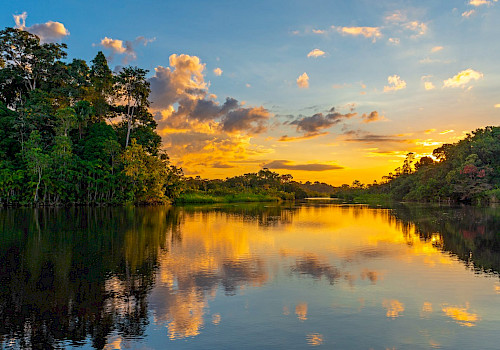
Private Expedition
Colombia from the Andes to the Amazon highlights tour
From £4,169
12 Days
Price based on two people sharing
Experience Colombia from the Andes to the Amazon with visits to the Coffee Region, Medellín and Bogotá. A diverse multi-destination tour blending nature, culture and city life.
More details
Private Expedition
Colombian Amazon tour
From £1,311
4 Days
Price based on two people sharing
Explore the Colombian Amazon on a 4-day journey of river wildlife, pink dolphins, rainforest walks, Indigenous culture and a night in Peru’s Marasha Reserve
More details